How Contamination Affects Hydraulic Seals and Shortens Equipment Lifespan
Hydraulic systems are widely used in manufacturing, construction, agriculture, and heavy machinery across Malaysia. At the core of these systems are hydraulic seals, which maintain pressure, prevent leakage, and ensure smooth and reliable operation.
However, contamination is one of the most common causes of hydraulic system failure. Even small amounts of dirt, moisture, or metal particles can damage seals and reduce equipment lifespan, often leading to the need for Cylinder Repair Kits in Malaysia to restore proper performance.
What Is Hydraulic System Contamination?
Hydraulic contamination refers to any unwanted material entering the hydraulic fluid or system components. This includes:
- Dust and dirt particles
- Metal wear debris
- Water or moisture
- Chemical impurities
- Air bubbles
Even microscopic particles can cause long-term damage because hydraulic systems operate under high pressure and tight tolerances.
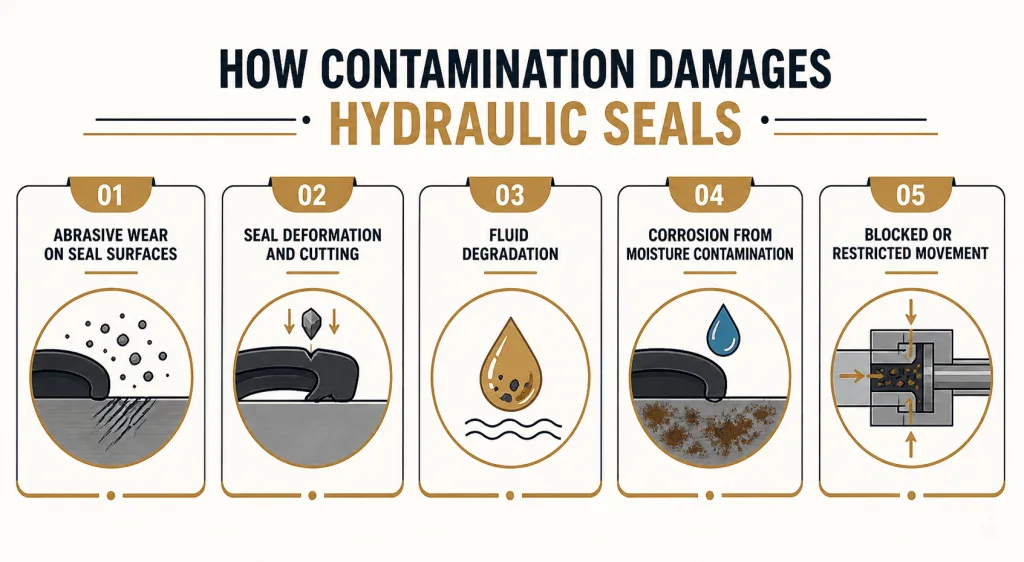
How Contamination Damages Hydraulic Seals
Hydraulic seals are designed to maintain a tight barrier between moving parts and pressurised fluid. When contamination enters the system, it disrupts this balance in several ways.
1. Abrasive Wear on Seal Surfaces
Hard particles such as dust or metal shavings act like sandpaper inside the system. As hydraulic components move, these particles scrape against seals, causing:
- Surface scoring
- Loss of sealing efficiency
- Accelerated wear and tear
Over time, this leads to hydraulic seal failure and leakage.
2. Seal Deformation and Cutting
Contaminants trapped between the seal and metal surface can create uneven pressure points. This results in:
- Cuts or nicks in the seal
- Permanent deformation
- Loss of elasticity
Once a seal is physically damaged, it cannot maintain proper hydraulic pressure.
3. Fluid Degradation
Contamination also affects hydraulic oil quality. When fluid becomes dirty or chemically unstable, it can:
- Reduce lubrication effectiveness
- Increase friction between components
- Accelerate seal deterioration
Poor fluid condition is one of the most common causes of cylinder repair kit replacement.
4. Corrosion from Moisture Contamination
Water is particularly harmful in hydraulic systems. When moisture enters the system, it can:
- Cause rust on internal components
- Break down seal materials over time
- Reduce system efficiency
Corrosion weakens both seals and metal surfaces, leading to long-term failure.
5. Blocked or Restricted Movement
Contaminants can accumulate in narrow passages, causing restricted flow or uneven pressure distribution. This results in:
- Jerky cylinder movement
- Reduced machine precision
- Increased system strain
These issues often indicate deeper contamination problems within the hydraulic system.
Why Contamination Shortens Equipment Lifespan
Hydraulic systems depend on clean and stable conditions. When contamination occurs, every component is forced to work harder.
This results in:
- Frequent seal replacements
- Higher maintenance costs
- Increased downtime
- Premature equipment failure
In many cases, severe wear eventually requires Cylinder Repair Kits in Malaysia to fully restore system function.
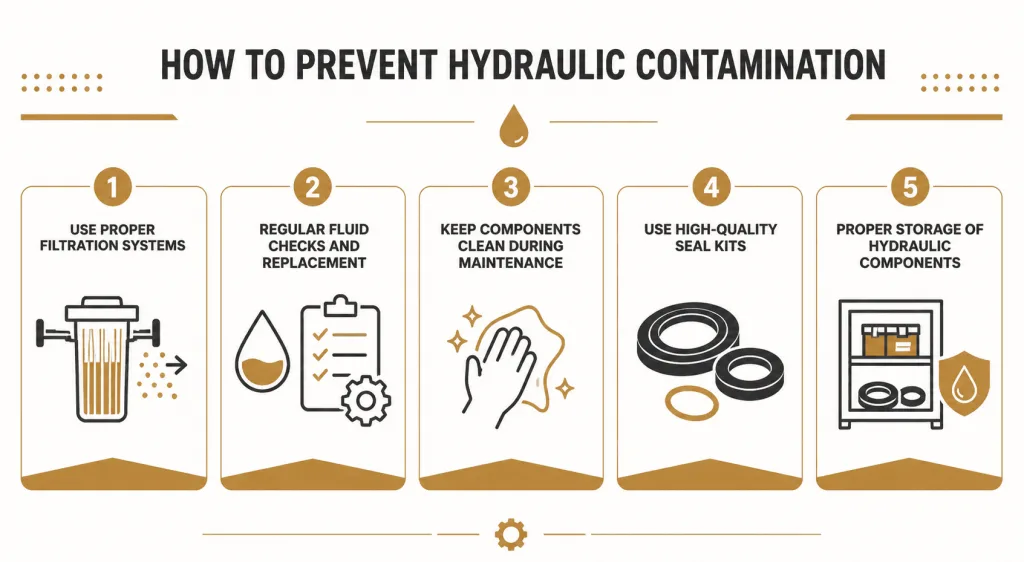
How to Prevent Hydraulic Contamination
Preventive maintenance is the most effective way to protect hydraulic seals and extend equipment lifespan.
Use Proper Filtration Systems
High-quality filters help remove particles before they enter the system.
Regular Fluid Checks and Replacement
Hydraulic oil should be tested and replaced based on operating conditions and manufacturer guidelines.
Keep Components Clean During Maintenance
Even during repairs, contamination can enter the system if proper cleaning procedures are not followed.
Use High-Quality Seal Kits
Reliable hydraulic seal kits in Malaysia are designed to withstand harsh conditions and reduce failure risks.
Proper Storage of Hydraulic Components
Seal kits and components should be stored in clean, dry environments to avoid contamination before installation.
When to Replace Hydraulic Seals
Even with good maintenance, seals will eventually wear out. You should consider replacement if you notice:
- Hydraulic fluid leakage
- Reduced machine power
- Jerky or inconsistent movement
- Visible seal damage during inspection
Early replacement prevents larger system failures and costly downtime.